Vole Control Calgary – Protect Your Lawn, Garden and Landscaping
Are small rodents damaging your lawn, garden, trees or landscaping? Voles can cause extensive damage by creating surface runways, feeding on plant roots and bulbs, and gnawing on the bark of young trees and shrubs.
Pest Pro Exterminator provides vole control in Calgary and surrounding areas, helping homeowners, acreage owners and property managers manage vole activity and protect their outdoor spaces.
Our approach focuses on identifying vole activity, assessing the extent of the problem and developing a targeted control plan suited to your property’s conditions.
Contact Pest Pro Exterminator to discuss your vole problem and arrange an inspection.
Professional Vole Control in Calgary
Voles are small, mouse-like rodents that spend much of their time near the ground, often hiding beneath grass, vegetation, mulch and other ground cover. They can remain active without being noticed until lawn damage, surface runways or damaged plants become visible.
Unlike pocket gophers, which create raised soil mounds and underground tunnels, voles commonly leave narrow surface runways through grass and vegetation. Correct identification is important because different rodents require different control strategies.
At Pest Pro Exterminator, we assess the signs of activity before recommending an appropriate vole management program.
Why Voles Can Become a Problem
Voles reproduce quickly when food and suitable shelter are available. Dense vegetation, accumulated plant debris, ground cover and undisturbed areas can provide favorable conditions.
As populations increase, feeding and runway activity can affect multiple parts of a property.
Potential problems include:
- Damage to lawns and landscaped areas
- Injury to plant roots, bulbs and garden vegetation
- Bark damage to young trees and shrubs
- Unsightly surface runways
- Recurring damage around gardens, fences and property boundaries
Early identification and targeted control can help reduce ongoing damage.
Signs of Vole Activity on Your Property
Vole activity may be present even when the animals themselves are rarely seen. Common signs include:
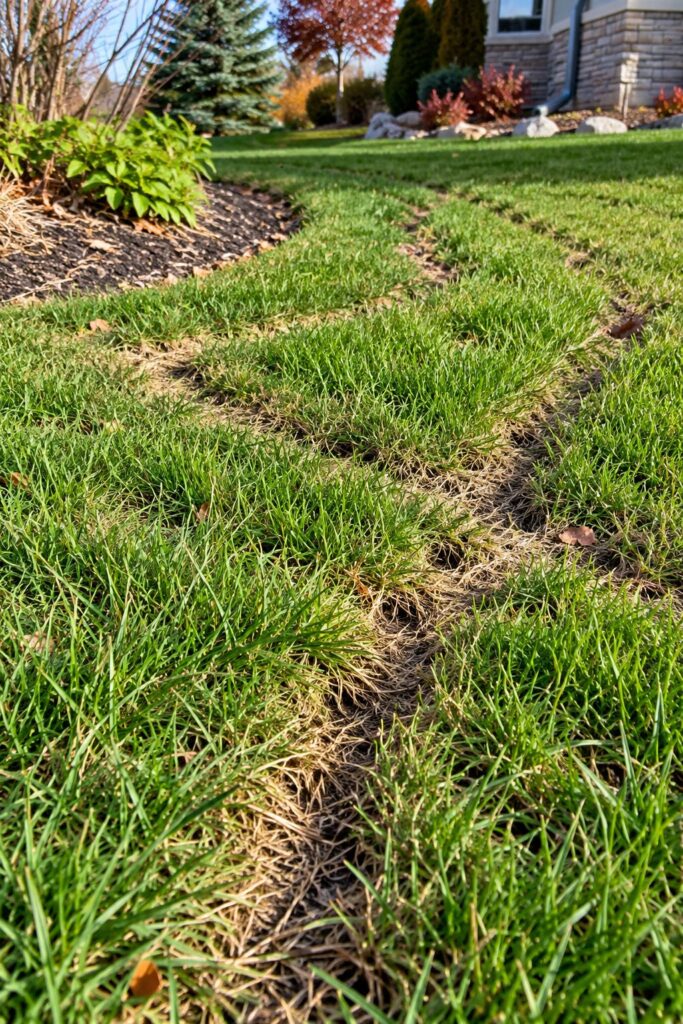
- Surface runways in lawns: Narrow paths through grass where voles repeatedly travel.
- Small openings near vegetation: Entry points and openings along runways or beneath dense ground cover.
- Damaged plant roots and bulbs: Feeding damage that can affect gardens and ornamental plants.
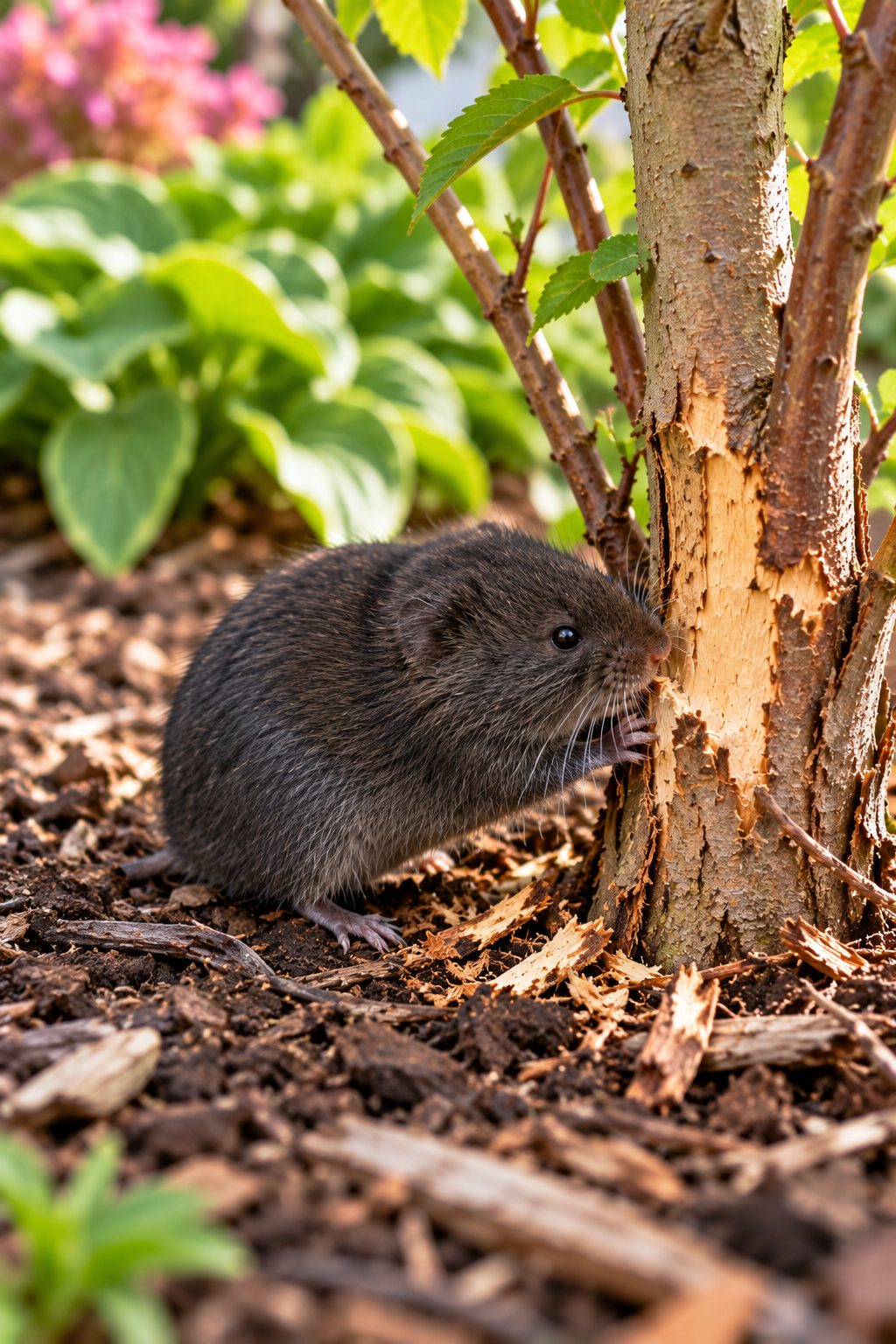
- Gnaw marks on tree bark: Damage near the base of young trees and shrubs, particularly where vegetation or snow provides cover.
- Patchy or damaged grass: Areas of lawn affected by repeated movement, feeding or burrowing.
- Increasing rodent activity: More visible runways and fresh damage appearing over time.
If you notice these signs, an inspection can help determine whether voles are responsible or whether another rodent is causing the damage.
Our Vole Control Process
1. Inspection and Identification
We examine visible runways, openings, feeding damage and other signs of rodent activity. The inspection helps distinguish voles from pocket gophers, mice and other rodents that may be present.
2. Assessment of the Affected Area
We assess where activity is concentrated, the surrounding vegetation and the conditions that may be supporting the population. This helps determine the appropriate control approach for the property.
3. Targeted Vole Control
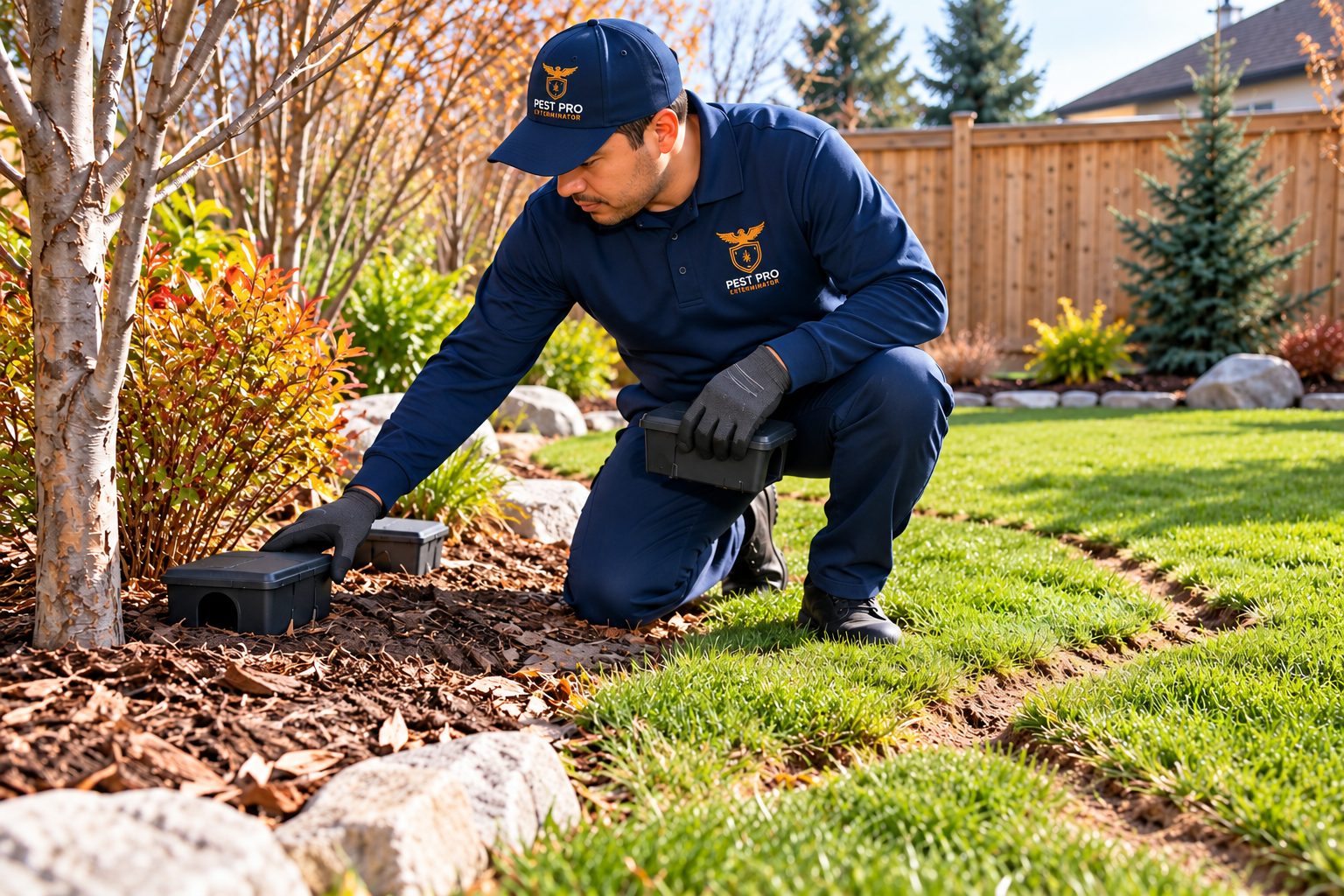
Based on our findings, we develop a targeted management plan using appropriate control methods permitted for the site and intended use. Treatment recommendations take into account the property layout, environmental considerations and the presence of children, pets or non-target wildlife.
4. Monitoring and Follow-Up
Follow-up assessments help evaluate vole activity and determine whether additional control measures are needed. The objective is to reduce activity and help protect affected areas.
5. Prevention Recommendations
We can recommend practical steps to make the property less attractive to voles, including vegetation management, removal of excess plant debris and other appropriate habitat modifications.